Next time you’re in Checkers, Pick n Pay, Spar or Woolies, stop in the cereal aisle and look up. Then look down. The shelves in front of you aren’t random. Where each product sits was planned, often fought over and sometimes paid for.
Retailers call it merchandising. Brands call it shelf placement. Either way it’s one of the oldest ideas in retail: where a product sits changes how often it gets picked up. And the same idea now shapes every search result, category page and marketplace listing online.
Here’s how the shelf works, and what it means for your brand.
Every level has a job
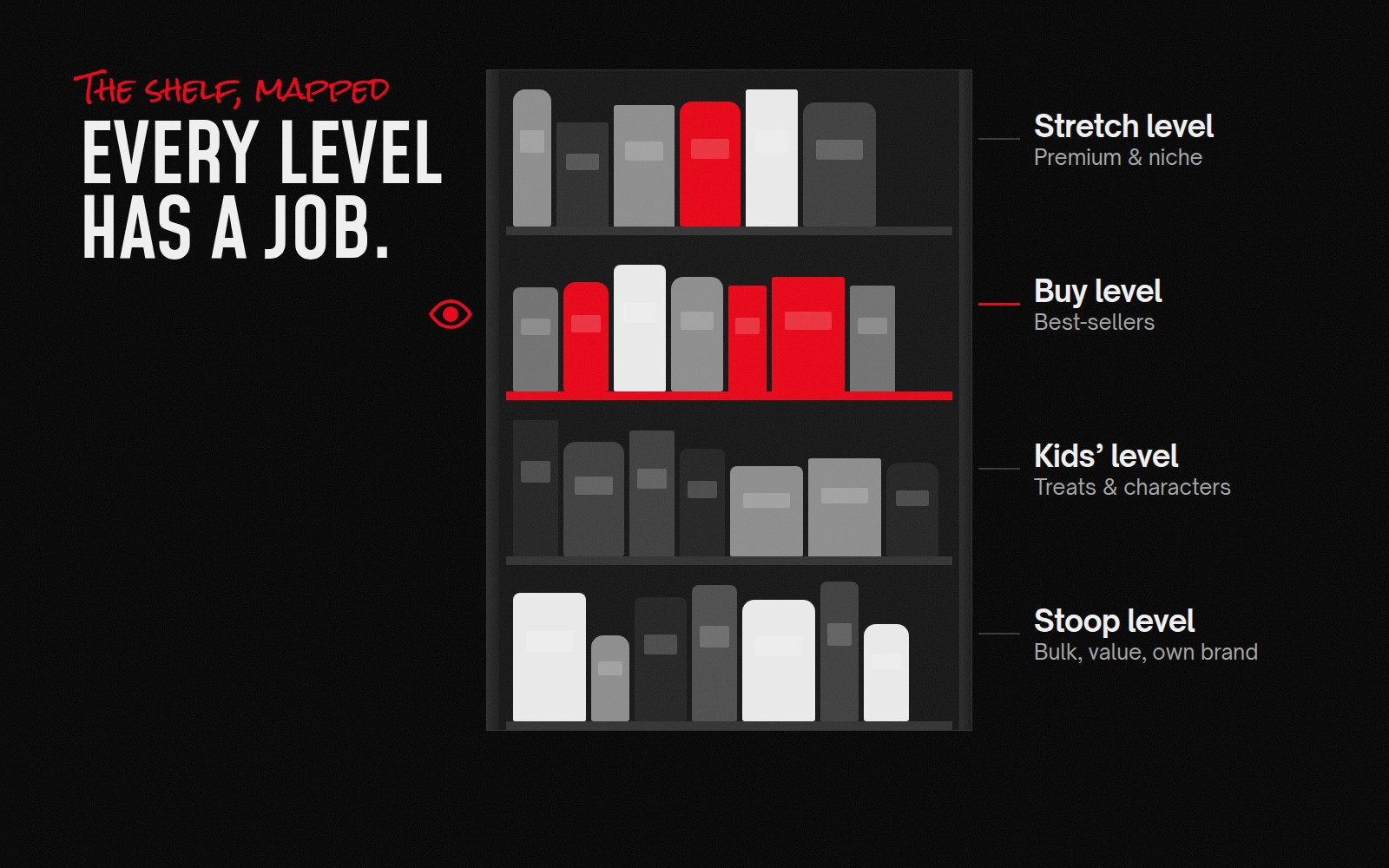
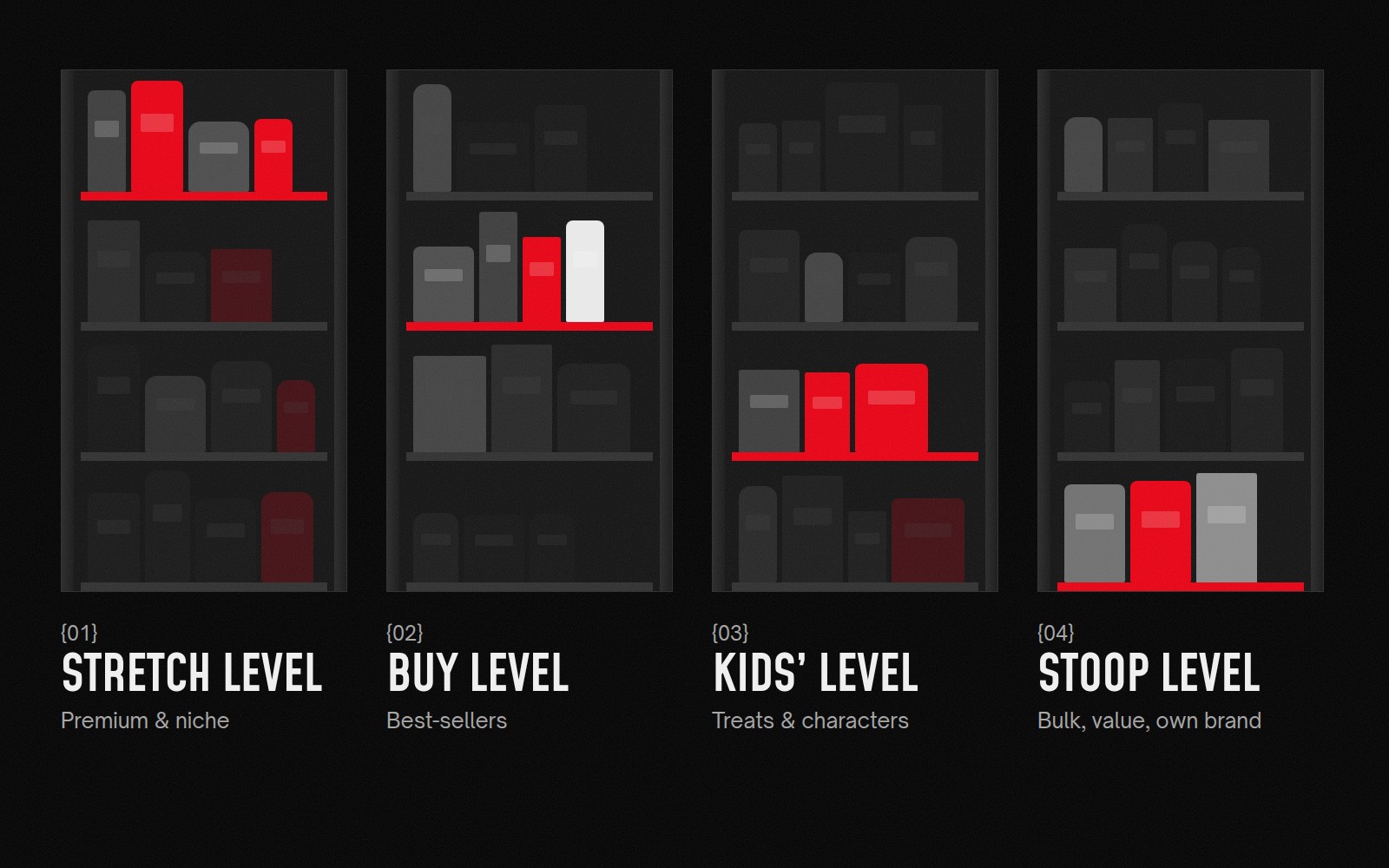
Stand in front of any gondola (the long shelving units that make up an aisle) and you’re looking at four zones. Each one does a different job for the store.
1. Stretch level: the top shelf
You have to look up and reach. That little bit of effort is the point. The top shelf often carries premium lines, specialist products and smaller brands: things shoppers go looking for on purpose. If someone wants that particular olive oil, they’ll reach for it.
It’s also where new or niche brands can start, because they rely on shoppers who already know what they want.
2. Buy level: eye level
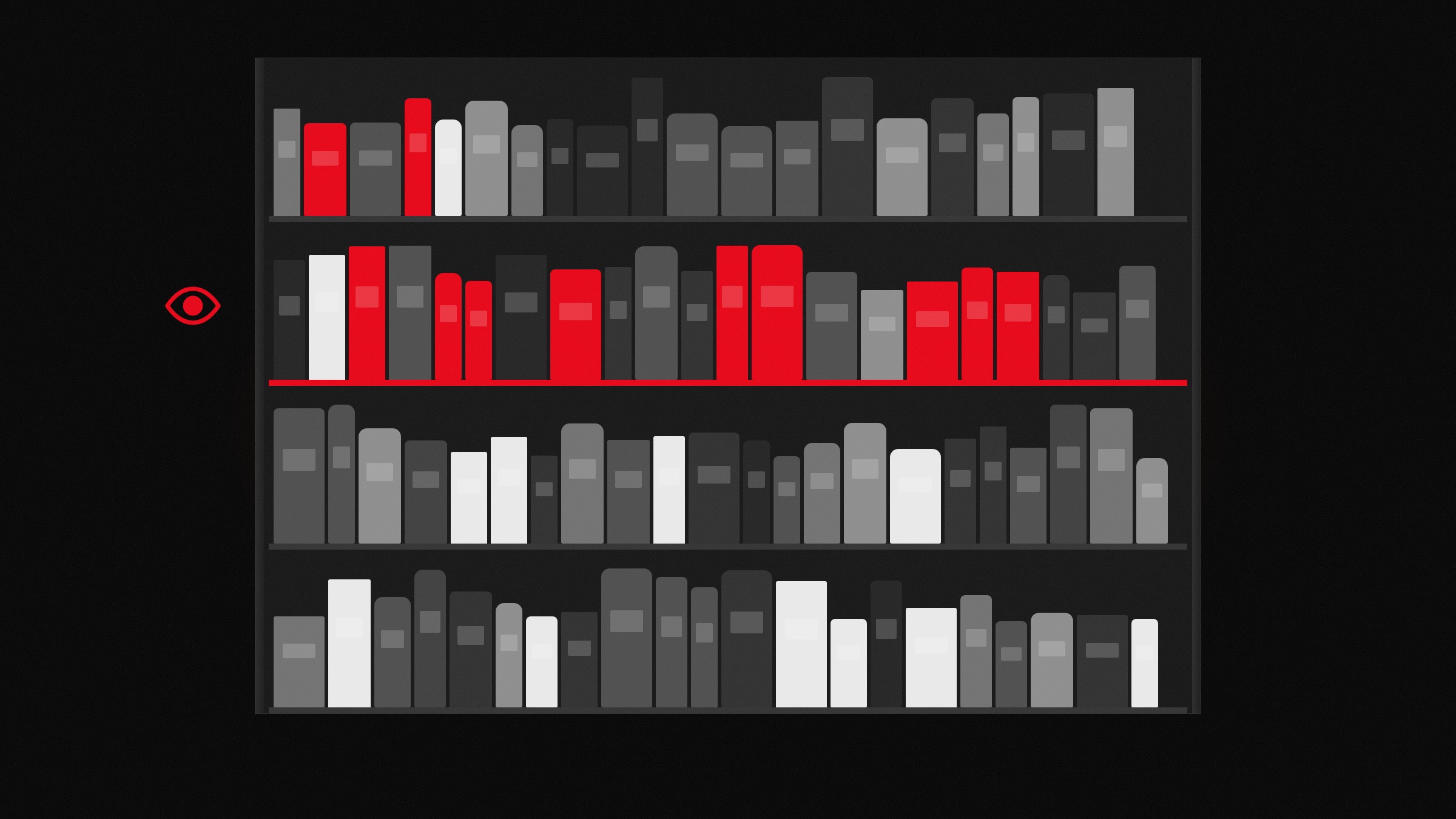
This is the shelf most shoppers see first, roughly between chest and eye height. Anything here gets seen without effort, so it’s where retailers tend to put their best sellers and highest-margin products.
It’s also the most contested space in the store. Brands negotiate for it, and in many cases pay for it, through listing fees, promotions and supplier agreements. When you see the market leader at eye level, it’s usually not luck.
3. Kids’ level: just below
Now crouch down to the height of a six-year-old in the cereal or sweets aisle. The lower-middle shelves are full of bright colours, cartoon characters and toys in the box. They’re pitched at the smallest person in the trolley, who will then make a very convincing case to the person pushing it.
4. Stoop level: the bottom shelf
Bulk packs, heavy items, value lines and store brands. The bottom shelf asks shoppers to bend down, and the shoppers who do are usually hunting for the best price per kilogram. It’s the natural home for the 10 kg bag of maize meal and the retailer’s own label.
The hottest spots aren’t in the aisle
Some of the most valuable space in a supermarket isn’t on a shelf at all.
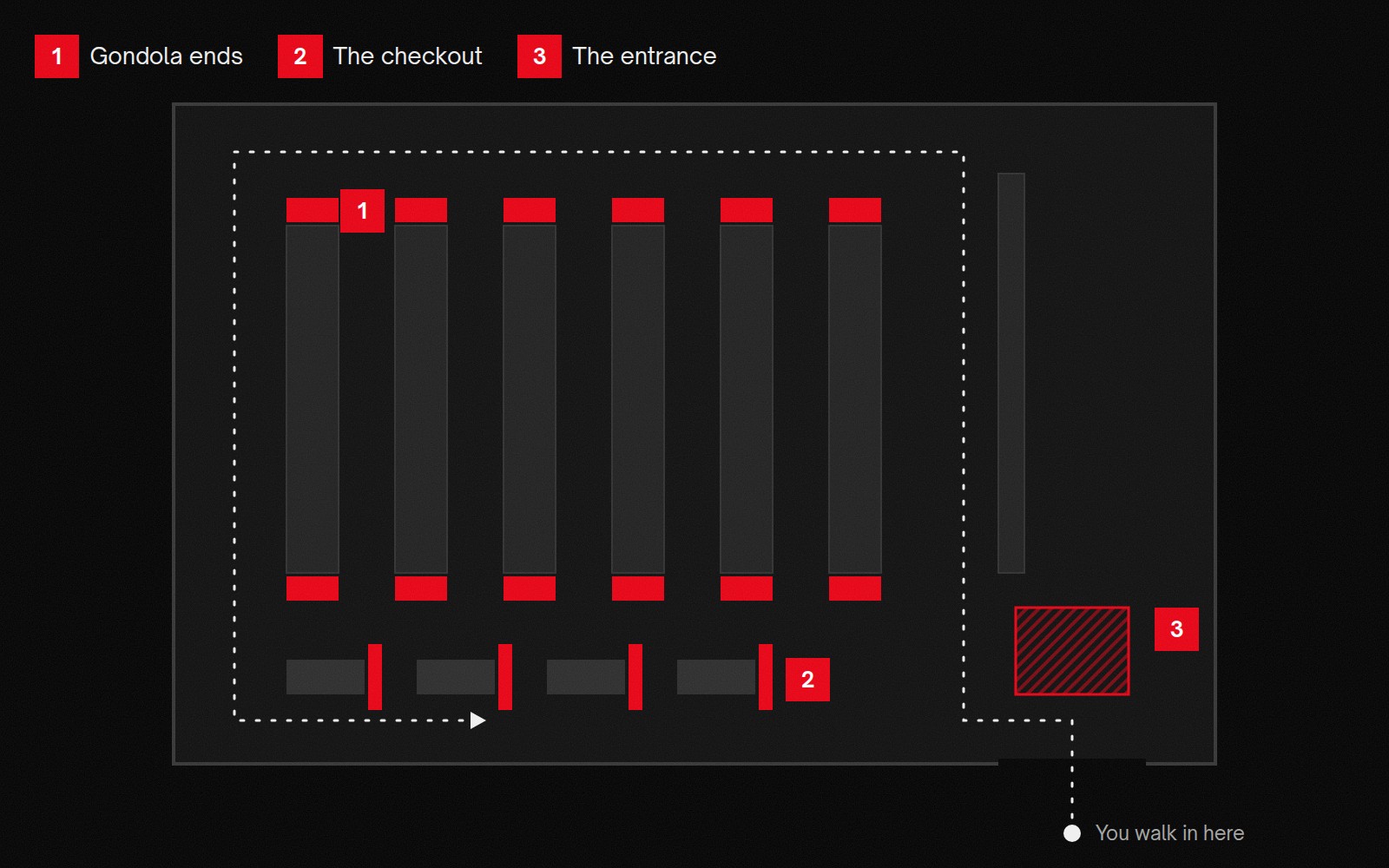
- Gondola ends. The short displays at the end of each aisle face the main walkway, so nearly every shopper walks past them. That’s why they carry promotions, new launches and multibuy deals. Brands often pay for these spots or fund the promotion that goes on them.
- The checkout. Sweets, drinks, airtime, lip balm: small, cheap extras you pick up while you wait in the queue. Nobody writes them on a list, and that’s exactly why they’re there.
- The entrance. Seasonal displays, fresh produce and specials set the mood as you walk in. Back-to-school, braai season, Easter, Black Friday: the front of the store tells you what the store wants you to think about today.
The layout of the store works on the same idea. Everyday essentials like milk and bread are often towards the back, so you walk past everything else to get them.
Now think online
Here’s the part most brands miss. Shoppers don’t only walk down aisles any more. They scroll them.
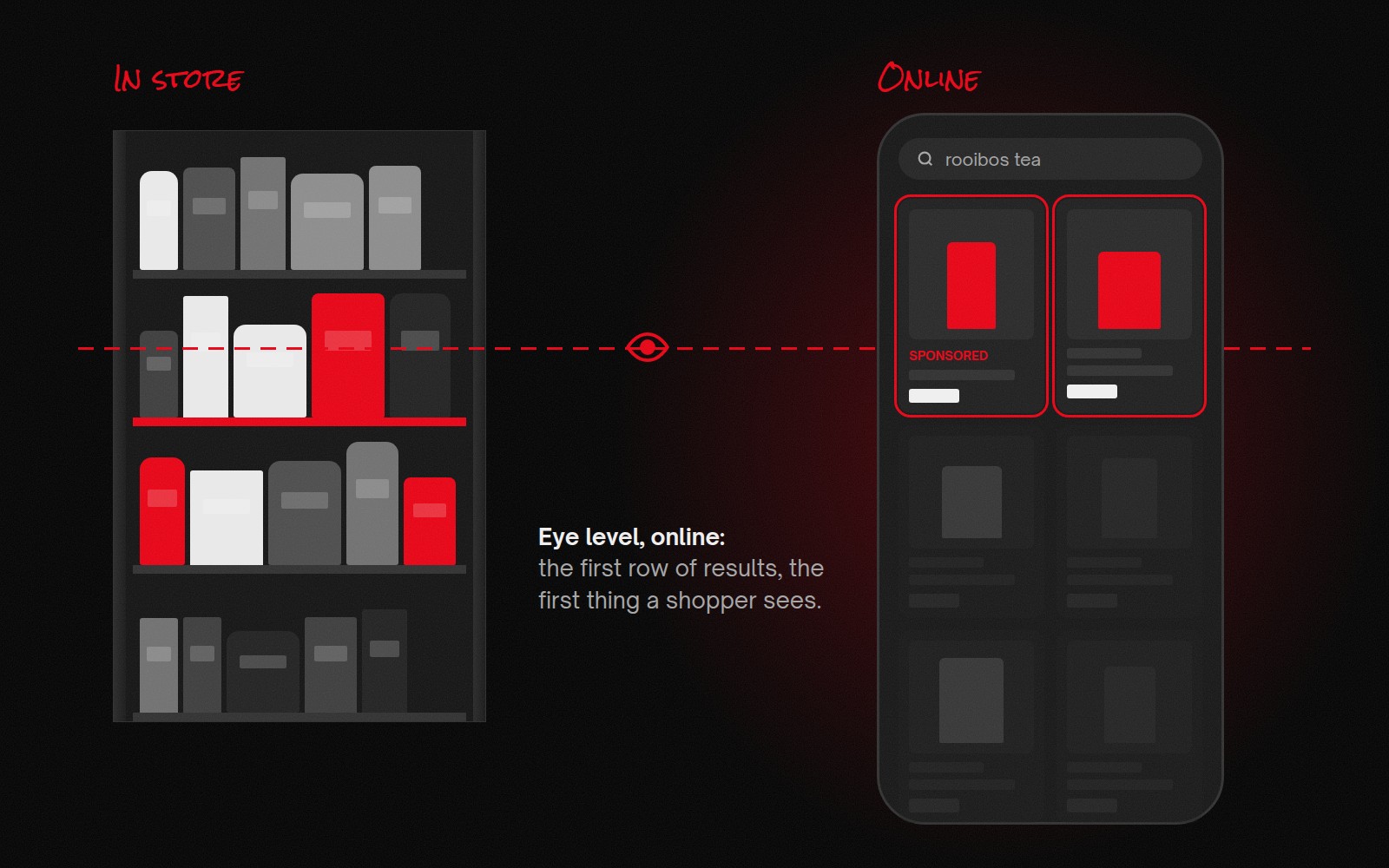
Online, there’s no top shelf or bottom shelf. Eye level is the first screen. It’s:
- the first row of search results on Takealot, Amazon.co.za or a retailer’s app,
- the first products on a category page,
- the sponsored slots that sit above the organic results, and
- the first product on your own homepage.
That’s the digital shelf. Like the real one, it has a buy level, and brands compete for it. Some of that space can be bought: retail media (ads inside a retailer’s own site or app) is the online version of paying for eye level or a gondola end. The rest is earned with good product titles, great images, reviews, stock availability and pages that load fast.
What this means for your brand
Whether you’re on a physical shelf, a marketplace or your own online store, the same questions apply:
- Where do shoppers first see you? Search your own category the way a customer would, on the marketplaces you sell on and on Google. Where do you land?
- Is your pack or product image built for a glance? Shoppers decide in seconds. On a shelf that’s your packaging; online it’s your main product image, shown at thumbnail size on a phone.
- Are you paying for placement, or earning it, or both? Retail media and in-store promotions can buy you eye level. Strong content, reviews and availability keep you there.
- Does your own site put your best sellers at eye level? Your homepage and category pages are your shelves. The products in the first row should be the ones most likely to sell.
- Are you everywhere the shopper looks? The brands that win are visible in store, on marketplaces and on their own site, with the same look and the same message.
Nothing on the shelf is there by accident, and nothing on the first screen should be either.
Want your brand at eye level?
At Artive we help South African brands get seen first and chosen, in store, on marketplaces and on their own sites. If you’re not sure where your brand sits on the digital shelf, start with a free CRO audit of your online store, or talk to us about growth.